Short Sad Stories
Play Short Sad Stories
Short Sad Stories Screenshots


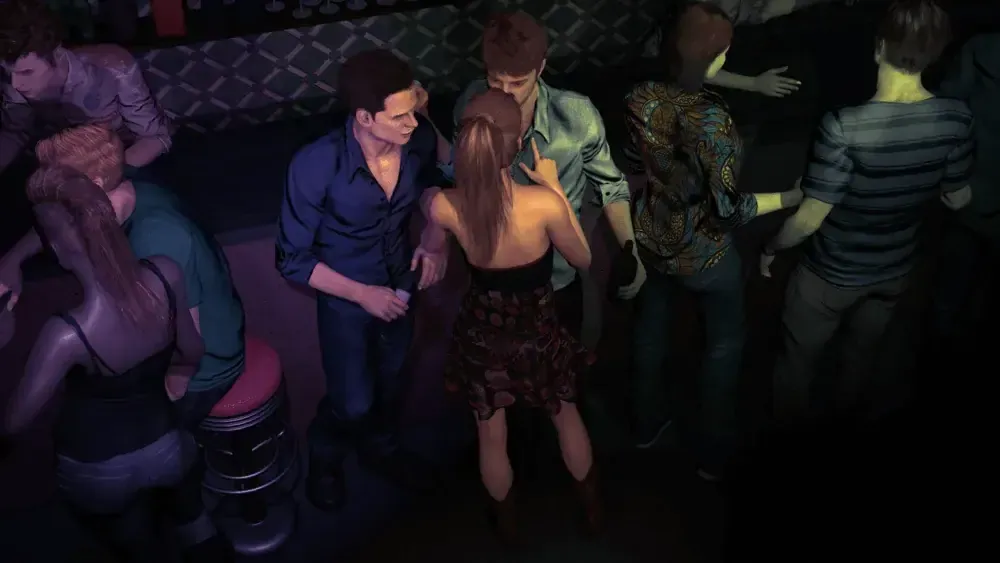
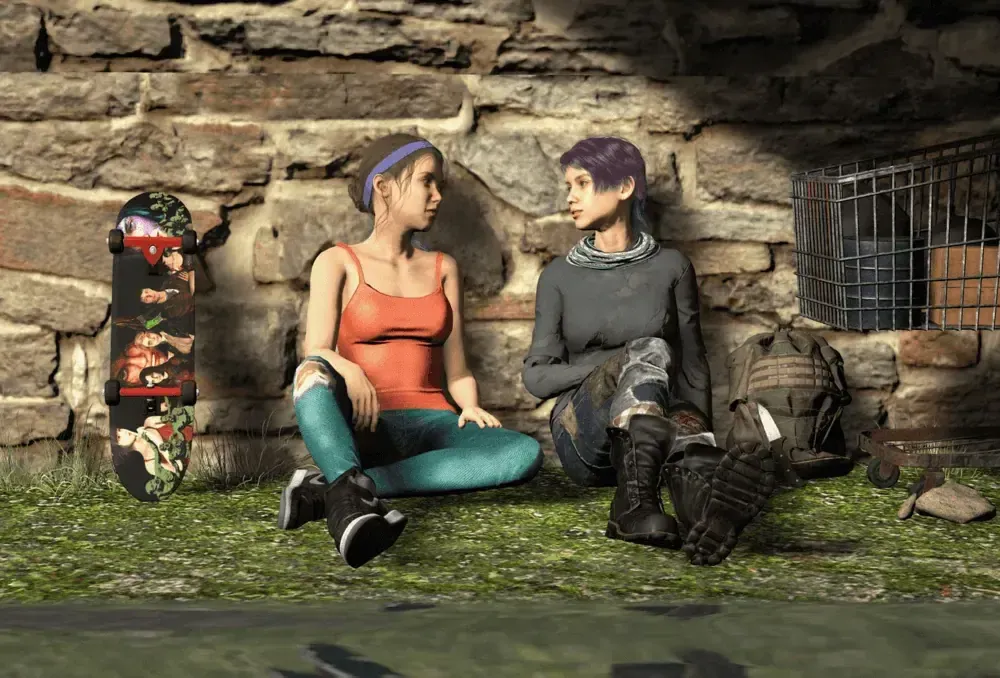
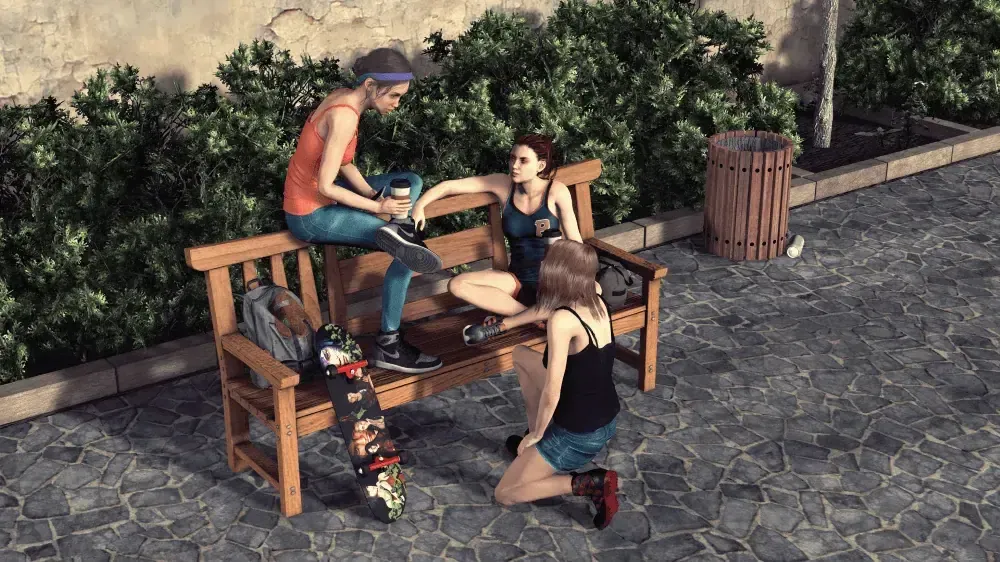
Short Sad Stories review
Dive into Emotional Choices and Poignant Narratives
Imagine a game where every choice tugs at your heartstrings, leading not to victory, but to profound understanding. Short Sad Stories is that rare interactive gem, blending player-driven decisions with inevitable melancholy outcomes. I’ve spent hours in its worlds, curating items and revisiting memories, only to feel the weight of loss crash down in the simplest animations. This isn’t your typical adventure—it’s a Short Sad Stories journey that redefines emotional gaming. Whether you’re drawn to its narrative depth or curious about its mechanics, this guide uncovers why it lingers long after the credits roll. Let’s explore what makes this title unforgettable.
Why Short Sad Stories Captures Hearts with Interactive Depth
I still remember my first playthrough. I sat there, controller in hand, thinking I could fix it. 🎮 I’d make the “right” Short Sad Stories choices, find the hidden path, and steer the character toward a happier ending. I was so, so wrong. The beauty—and the gentle devastation—of this interactive sad story game isn’t about changing the ending. It’s about understanding it. The Short Sad Stories gameplay genius lies in making you feel the weight of a story that has already happened, where your agency isn’t about victory, but about witnessing with empathy. 😔 That initial feeling of inevitable heartache is the game’s first, and most profound, lesson.
What Makes Short Sad Stories Gameplay So Unique?
Forget power-ups and high scores. The core emotional game mechanics here are deceptively simple, yet they build a narrative experience unlike any other. This isn’t about quick-time events or dialogue trees with obvious moral alignments. The Short Sad Stories narrative is excavated, not just told.
Think about the act of item curation. You’re presented with objects—a worn-out book, a half-empty mug, a faded concert ticket. The game asks: keep or discard? 🧳 At first, I approached this like a puzzle, looking for a “correct” combination. But there isn’t one. The power is in the act of choosing. Do you hold onto the painful memento because it’s all you have left, or do you let it go, creating space for a different kind of ache? This mechanic directly ties your physical actions to the thematic core of memory and grief.
Then there’s the slow environmental interaction. Opening a drawer isn’t a swift click; it’s a deliberate, sometimes hesitant pull. Flipping through a photo album forces you to pause on each image. ⏳ This deliberate pacing is a masterstroke in design. It prevents you from rushing, forcing you to sit with the atmosphere and the subtle details that build the world. You’re not just playing a story; you’re inhabiting its quiet, empty spaces.
Perhaps the most poignant tool is the memory replay. You’ll encounter a key moment and live through it. Then, later, you can choose to revisit it. You won’t change the outcome, but you might notice the tremor in a voice you missed, or the significance of a glance you overlooked. This isn’t about altering history; it’s about deepening your comprehension of it. It’s a brilliant reflection of how we, in real life, replay our own past, finding new layers of meaning—and sometimes, regret—with each revisit.
This collection of mechanics creates a powerful form of player agency in storytelling. Your control isn’t over the plot, but over the focus. You choose what to linger on, what to remember, and what meaning to draw from the fragments. You are the archaeologist of this emotional ruin, and every brushstroke is a conscious, feeling choice.
How Player Choices Shape Emotional Journeys in Short Sad Stories
So, if we can’t change the ending, what exactly are we shaping? We’re shaping our own emotional journey and the specific catharsis we experience. The Short Sad Stories narrative is built on universal themes, but your personal journey through them is uniquely yours, guided by those subtle Short Sad Stories choices.
Let’s break down the major emotional arcs the game explores. These aren’t separate levels, but interwoven threads you’ll tug on throughout your playthrough.
| Story Arc Theme | Core Interactive Mechanics | Emotional Payoff |
|---|---|---|
| Loss & Letting Go | Curating personal items (Keep/Discard), Physically packing a space, Listening to ambient soundscapes from the past. | A tangible sense of catharsis and empty space. The act of deciding what to release becomes a personal ritual of acceptance. |
| Regret & Missed Chances | Replaying memory sequences, Examining “what if” notes or unsent messages, Interacting with phantom echoes of past conversations. | A profound, aching understanding. Not a reversal of regret, but a clarity about its origin that can be surprisingly peaceful. |
My personal insight? This design completely shifts your goal as a player. 🧠 In most games, you learn the rules to win. In Short Sad Stories, you learn the rules to feel. You start to understand that lingering on that dusty piano isn’t wasting time—it’s the whole point. The narrative-driven game experience becomes about the quality of your attention. Your “success” is measured in the depth of your empathy, not on a score screen.
This is where the game’s true revolution lies. It uses interactive sad story game mechanics not for entertainment in the traditional sense, but for emotional reflection. It validates sadness as a process to be experienced, not a problem to be solved.
Real Player Moments That Hit Hardest
You can talk about mechanics all day, but the magic of Short Sad Stories gameplay is in those shared, silent moments that leave players breathless. I’ve read countless stories from others who’ve played, and one moment is mentioned with near-universal reverence.
It’s the simple, mandatory action of placing a photograph in a box. There’s no alternative, no “keep” option here. The game has led you to this point, and now you must perform the action. One player described it perfectly:
“I sat there for five minutes just holding that digital photograph. I knew the character in the story had to put it away. And in that moment, so did I. I wasn’t just watching a story about letting go; my thumb on the controller was the act of letting go. It was one of the most powerful moments I’ve ever had with a game.”
This is the pinnacle of its design. The game creates a scenario where player agency in storytelling meets unavoidable narrative truth. You are complicit. You perform the heartbreaking action. That fusion of interactivity and fixed story is what etches these memories into us. It’s not something we saw; it’s something we did.
Another moment that consistently wrecks people is the “silent dinner” memory replay. The first time, you might notice the tension. The second time, you see the empty chair. The third time, you realize the food is barely touched. With each voluntary replay, you uncover another layer of the silent grief saturating the scene, without a single word of dialogue. 😢
Actionable Advice for Your Playthrough:
Want to get the most from this narrative-driven game experience? Don’t try to “beat” it. Try to feel it.
- Embrace the Pause: When a heavy moment hits, just put the controller down. Stare out the window. Let it resonate. The game’s quiet spaces are invitations for your own reflection.
- Follow Your Curiosity, Not a Guide: If an object draws your eye, interact with it. If you feel pulled to replay a memory, do it. Your natural curiosity will guide you to the details that matter most to you.
- Play in One or Two Sittings: This is a cohesive emotional journey. Let it wash over you in a concentrated period to fully feel the narrative rhythm and buildup.
- Talk About It Afterwards: You’ll need to. Sharing your specific moments and choices with someone else who has played reveals how personal each journey truly is.
Short Sad Stories is more than a game; it’s a carefully crafted space for emotional contemplation. It proves that in an interactive medium, player agency can be about guiding the heart, not just the plot. Its emotional game mechanics are a quiet revolution, transforming the player from an adventurer into a witness, and ultimately, into a more empathetic human being. That is its heartbreaking, and utterly magnificent, achievement. ✨
Short Sad Stories isn’t just a game—it’s an emotional mirror that challenges you to feel deeply through every curated item and revisited memory. From the cathartic release of letting go to the sting of irreversible regrets, its interactive design leaves a lasting imprint. I’ve revisited its arcs multiple times, each play uncovering new layers of empathy. If you’re ready for a narrative that changes you, fire it up today. Share your own heartfelt moments in the comments—what choice broke you the most? Dive in, reflect, and let the stories reshape your perspective.