
Play Come Home
Come Home Screenshots




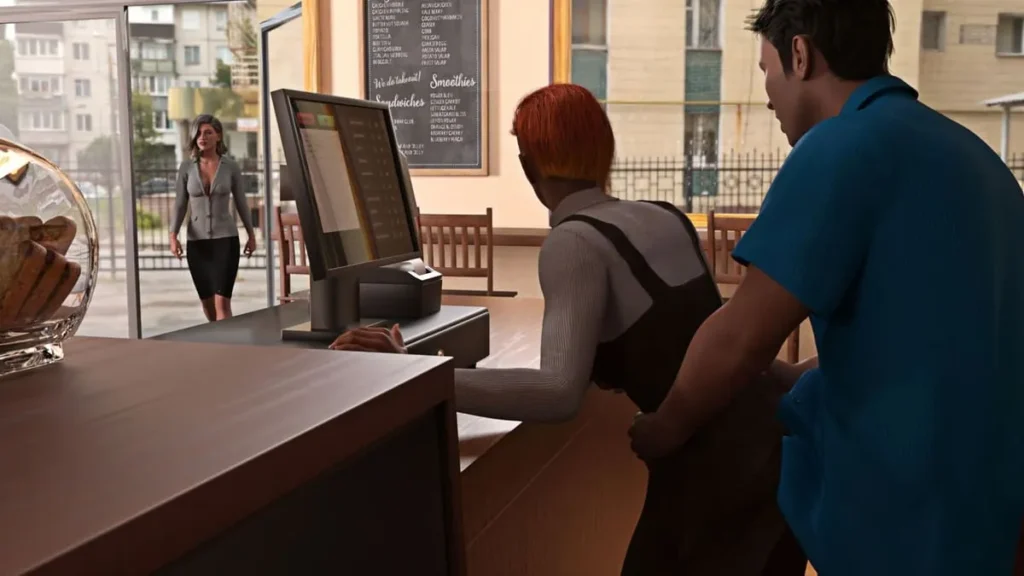
























Come Home review
A personal, practical look at Come Home, its characters, routes, and gameplay decisions
Come Home is an adult-themed visual novel that mixes relationship-building, slice‑of‑life storytelling, and open‑ended player choice. If you have seen screenshots or walkthroughs for Come Home and wondered how its affection system, character routes, and daily routine really work in practice, this guide is for you. I will walk you through what playing Come Home actually feels like, share some personal experiences from my own runs, and give you practical tips for managing time, unlocking scenes, and exploring your favorite character paths without getting overwhelmed.
What Is Come Home and How Does It Play?
So, you’ve heard the name floating around and you’re wondering, what is Come Home? 🤔 Let’s cut right to it. Come Home is an adult-oriented visual novel blended with life-simulation elements. It’s a game about returning to a place that should be familiar, only to find that both it and you have changed. You guide a main character back to their hometown (or a place very much like it), where the core Come Home gameplay revolves around reconnecting with old faces and building bonds with new ones, one careful choice at a time.
If you’re picturing high-octane action or complex puzzle-solving, you might need to adjust your expectations. The heart of this Come Home visual novel is its characters and their stories. Your tools are conversation, time, and attention. Think of it less as a traditional “game” you “win,” and more as an interactive, branching drama where you curate the experience through your daily decisions.
### What kind of game is Come Home?
At its core, Come Home is a heavily narrative-driven, text-based experience. You’ll spend most of your time reading dialogue, making choices that affect relationships, and watching static (or lightly animated) visual scenes unfold. The Come Home game loop is deceptively simple but deeply engaging: you explore a map, choose locations to visit, talk to people, and slowly raise their affection to unlock deeper, more intimate story scenes.
The main appeal isn’t in reflexes or strategy, but in relationship-building and story exploration. You’re here to see how different interactions play out, to experiment with who you spend time with, and to replay from different saves to uncover all the narrative branches and outcomes. It’s a game of quiet moments and significant glances, where a seemingly small decision in Week 1 can echo in Week 8.
I remember my first hour with the Come Home visual novel. I’d just come from a run of faster-paced games, and the deliberate, almost gentle rhythm of Come Home caught me off guard. There was no urgent quest marker, no timer counting down (except the in-game day, of course!). I just… existed in the space. I fumbled through a few awkward conversations at the local café, spent too much money on coffee, and wondered if I was “doing it right.” Then it clicked: this is the point. The game wasn’t about efficiency; it was about immersion. That slow start wasn’t a flaw—it was an invitation to ease into the world and care about the people in it. That character-focused opening hooked me more than any explosive intro ever could.
### How does a typical day in Come Home unfold?
The Come Home daily routine is the heartbeat of the entire experience. Your time is divided into blocks—typically Morning, Afternoon, Evening, and Night. Each block is a precious resource, and choosing how to spend it is the primary gameplay mechanic. You can’t do everything, so every choice carries weight. Do you go to work to earn crucial cash? 💼 Do you hit the gym to improve your stats? 🏋️♂️ Or do you hunt down a specific character at their favorite hangout, hoping to advance their story?
Planning is key, but so is a little spontaneity. Some special scenes only trigger at specific times, on specific days, or after you’ve reached a certain level of friendship or affection. This structure encourages multiple playthroughs, as you’ll need different schedules to pursue different character routes.
Here’s a concrete look at the basic framework of a day in the Come Home game:
| Time of Day | Possible Locations & Activities | Your Goals & Considerations |
|---|---|---|
| Morning | Your Apartment (check phone/computer), Diner, Part-Time Job Location, Park. | Start the day. Earn money, check for messages from characters, or get an early start on socializing. |
| Afternoon | College Campus, Library, Café, Gym, Shopping Mall, Character-specific hangouts. | The main social or self-improvement block. This is often your best chance to find characters and raise stats. |
| Evening | Bar, Restaurant, Night School, Some character’s homes or apartments. | More social time, often with a more relaxed or intimate vibe. Some jobs are also available at night. |
| Night | Your Apartment, Late-night venues, Occasionally a character’s place. | Wind down, study if needed, or engage in the rarest, often most private, story scenes. |
This structure means your Come Home gameplay becomes a satisfying puzzle. You’ll learn that Alex works at the bookstore in the afternoons, but Sam studies at the library in the evenings. You’ll realize you need a certain income level to afford dates at the nice restaurant. The game masterfully makes you feel like you’re genuinely managing a life, all in pursuit of connection.
Practical Tip: Get comfortable with using multiple save slots right from the start. Save at the beginning of each new day, or before making a big choice. It takes the pressure off and lets you explore conversations freely.
### Who is Come Home really made for?
This is the big question, right? Is Come Home worth playing? The answer is a resounding “yes,” but only for a certain kind of player. This Come Home player guide would be doing you a disservice if it didn’t set clear expectations.
Come Home is perfect for you if:
* You love slow-burn stories where relationships develop gradually and feel earned. ⏳
* You enjoy having multiple romance and friendship options to explore across different playthroughs.
* You get a kick out of experimenting with different choices and seeing the branching narratives unfold.
* You don’t mind—and even enjoy—reading a lot of text. This is a visual novel, after all!
* You like the tactical feel of optimizing a schedule or planning a route, almost like a quiet, social strategy game.
Conversely, you might want to look elsewhere if you crave constant action, quick rewards, or gameplay that tests your reflexes. Come Home is a contemplative experience. It asks for your patience and attention, and in return, it gives you nuanced stories and a real sense of agency in its world.
In my opinion, approaching Come Home as an interactive serial drama is the key to enjoying it. Don’t rush. Savor the dialogue. Pay attention to the small details in the character writing. Accept that your first playthrough will be messy and you’ll miss a lot—that’s not failure, it’s the design. It’s what makes starting a new save file so exciting; you have a whole new path to walk.
Personal Insight: My best piece of advice? Don’t try to see everything in one run. Pick one or two characters that intrigue you and focus on them. Let the world and its other inhabitants remain mysteries for another time. This makes each playthrough feel personal and unique, rather than a checklist to complete.
Come Home offers a specific, wonderfully deep kind of escape. It’s a game about people, choices, and the quiet drama of everyday life. If that sounds appealing, then you already have your answer to is Come Home worth playing.
A Glimpse at My Very First In-Game Day: Let me paint you a picture of my initial stumble into the world of Come Home. I woke up in my sparse apartment, a little lost. I checked my in-game phone—a few generic messages. Okay. I decided to skip a job and instead went to the café, spending half my starting cash on a latte I didn’t need. There, I met a cheerful barista and a brooding guy reading in the corner. I talked to the barista, but my choices felt awkward. Flustered, I left.
The afternoon came. I wandered to the park, wasting the block. In the evening, low on funds and direction, I took a late-shift job at a boring office to scrape some money together. I ended my first digital day tired, poorer than when I started, and with barely a flicker of progress with any character. It felt… hilariously realistic. But from that “failure,” I learned everything: location matters, time is precious, and money enables social options. That first clumsy day wasn’t wasted—it was the most important tutorial the game could have given me. It set the tone for a game that rewards observation, planning, and, above all, caring about the consequences of your time.
Come Home rewards players who enjoy character-driven stories, patient exploration, and experimenting with different choices over multiple runs. When you understand its daily structure, affection system, and the value of planning ahead, the game opens up into a surprisingly rich sandbox of overlapping routes and scenes. Approach Come Home like an interactive drama rather than a race to the finish, take your time with each conversation, and do not be afraid to make a few mistakes on your first save. If the idea of slowly getting to know a cast of characters across many in-game days appeals to you, Come Home is absolutely worth diving into and discovering at your own pace.