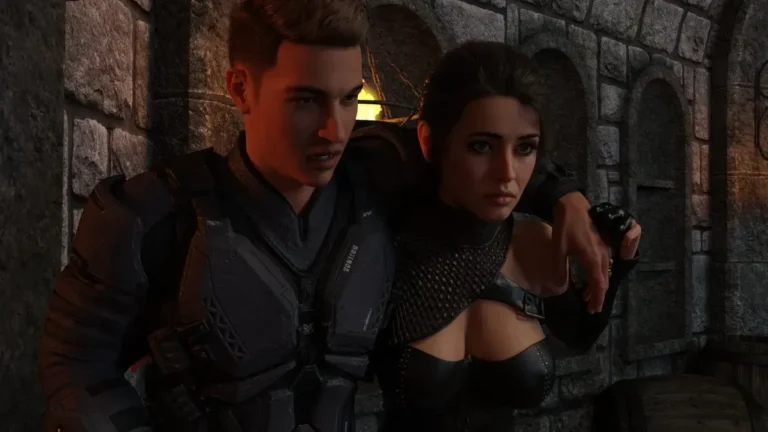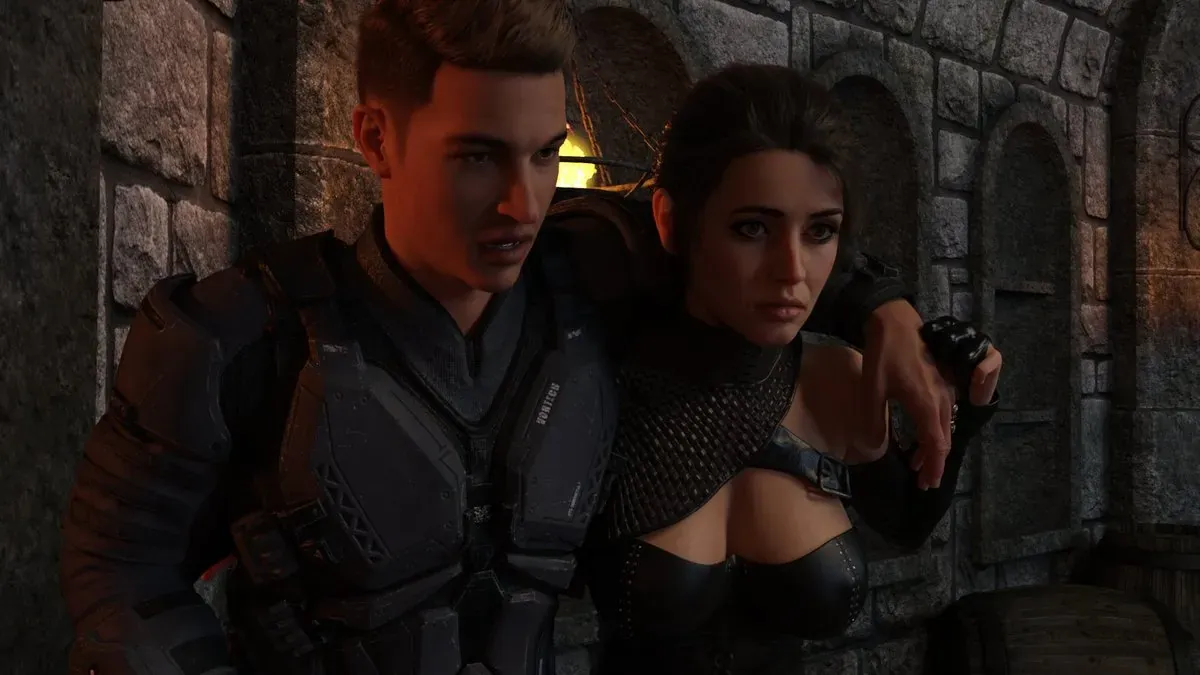
A Father’s Sins
Play A Father’s Sins
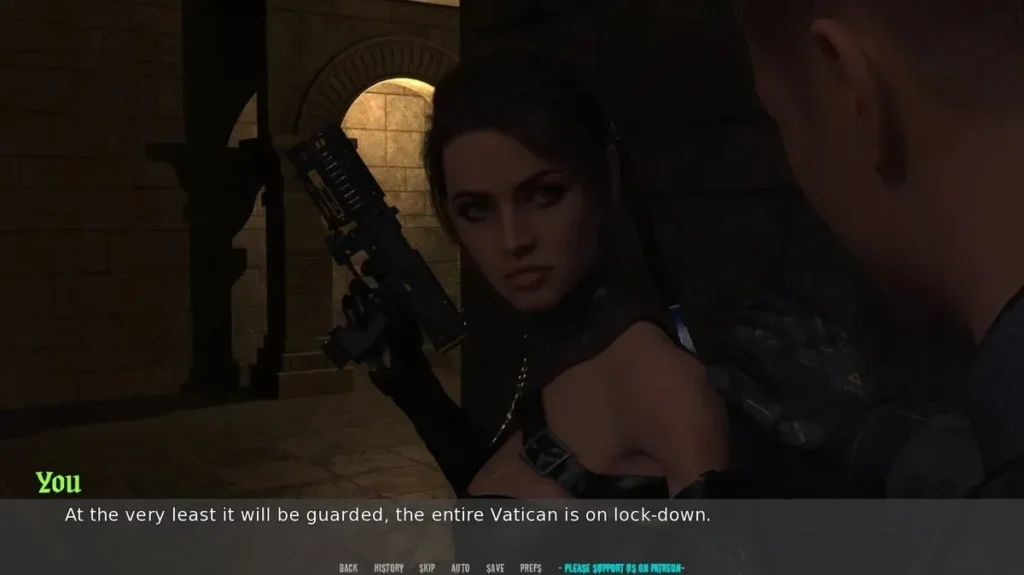
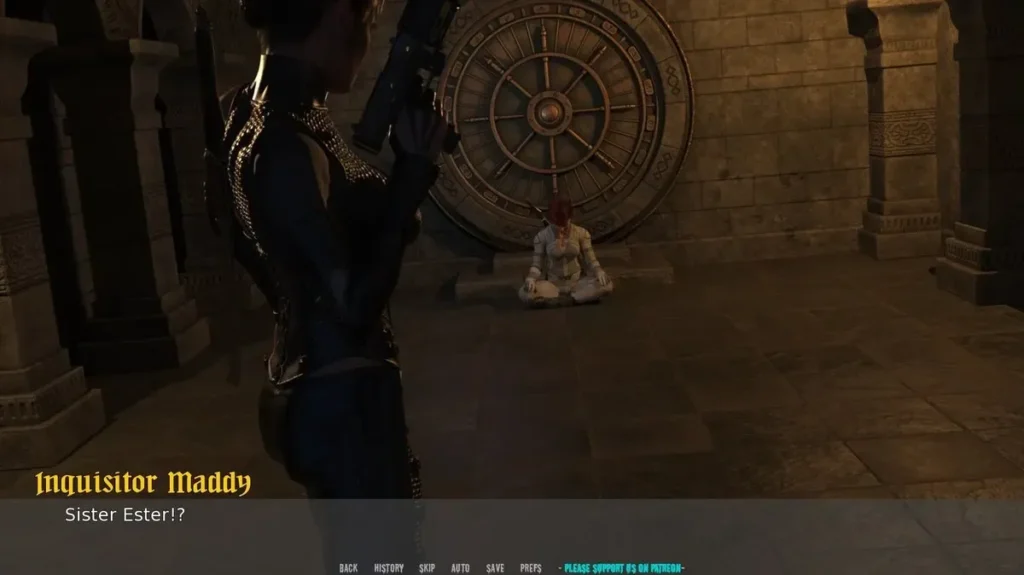
A Father’s Sins Screenshots
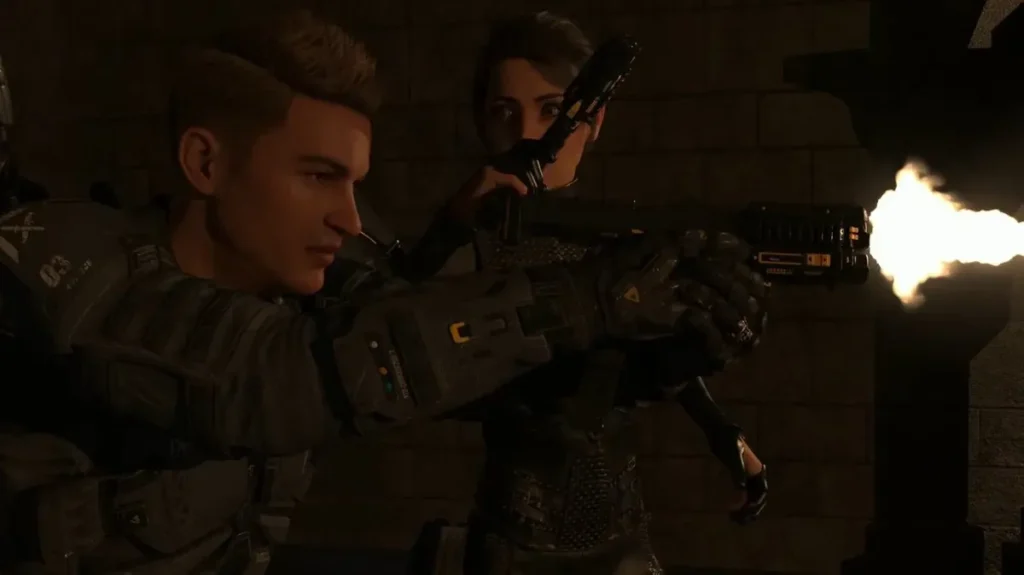
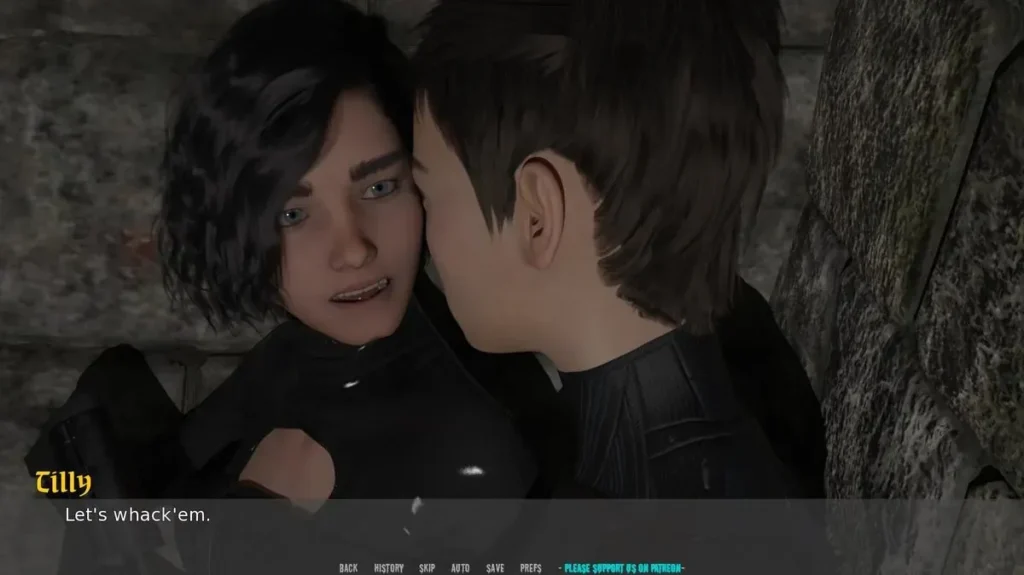
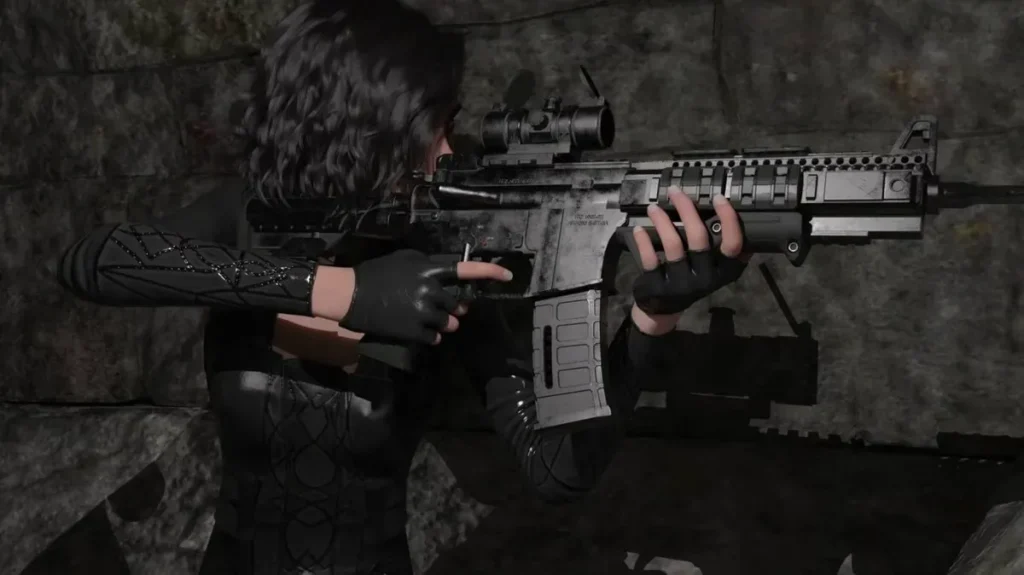
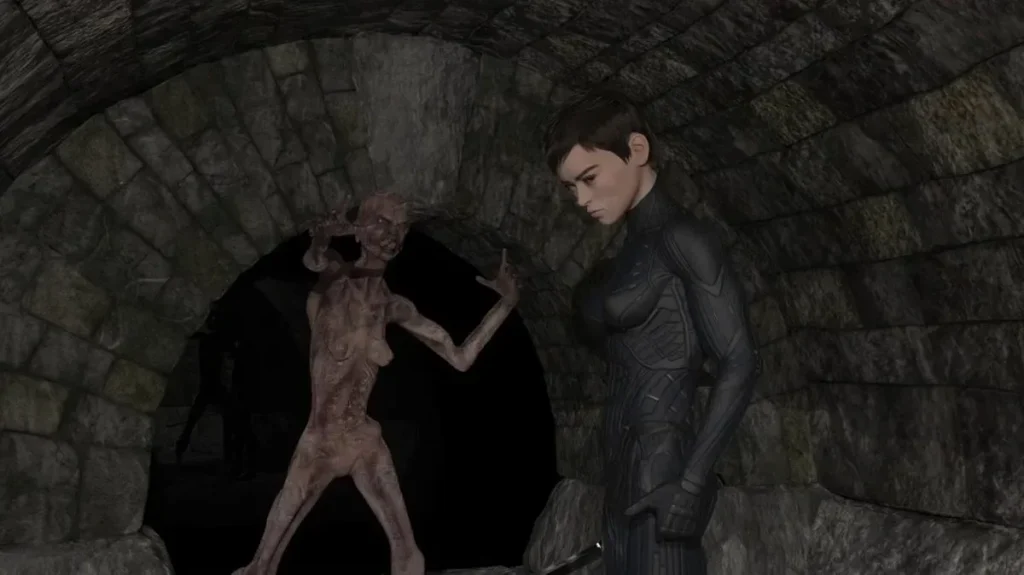
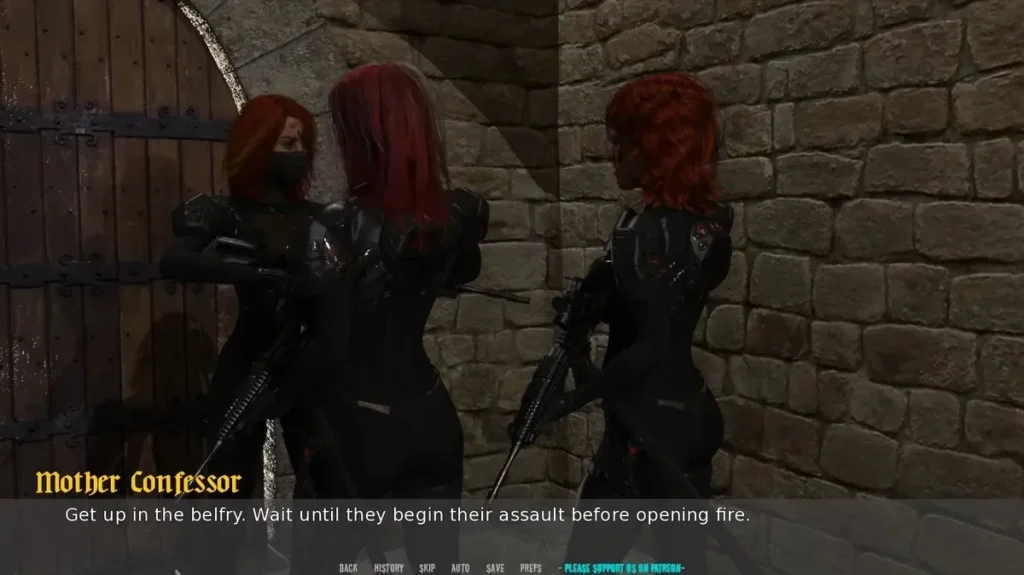
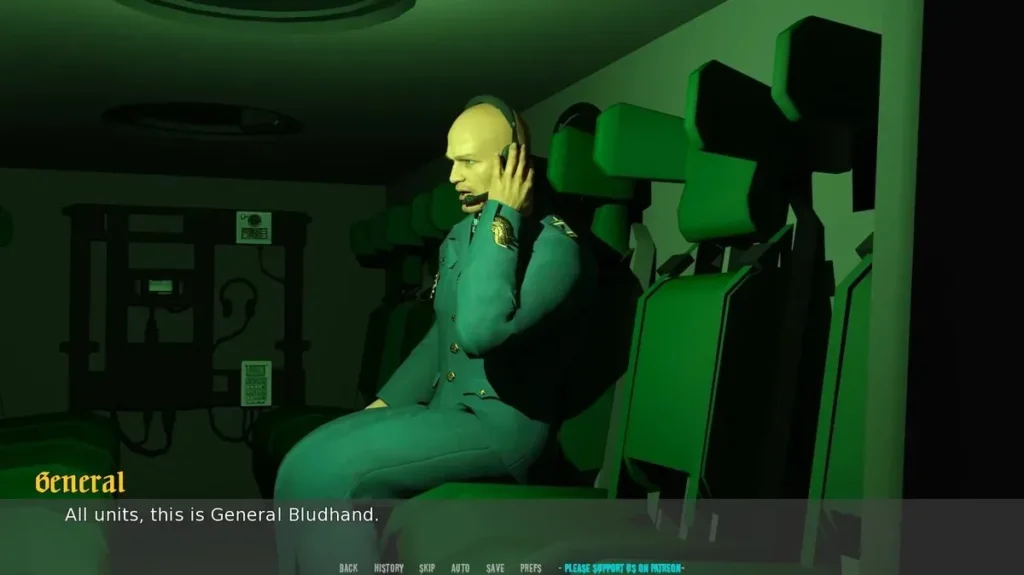
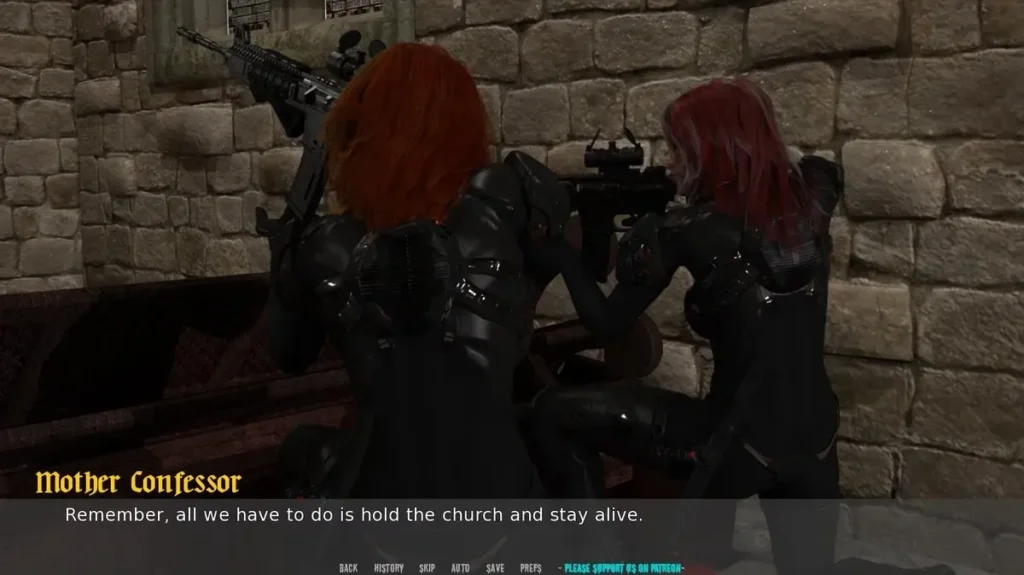
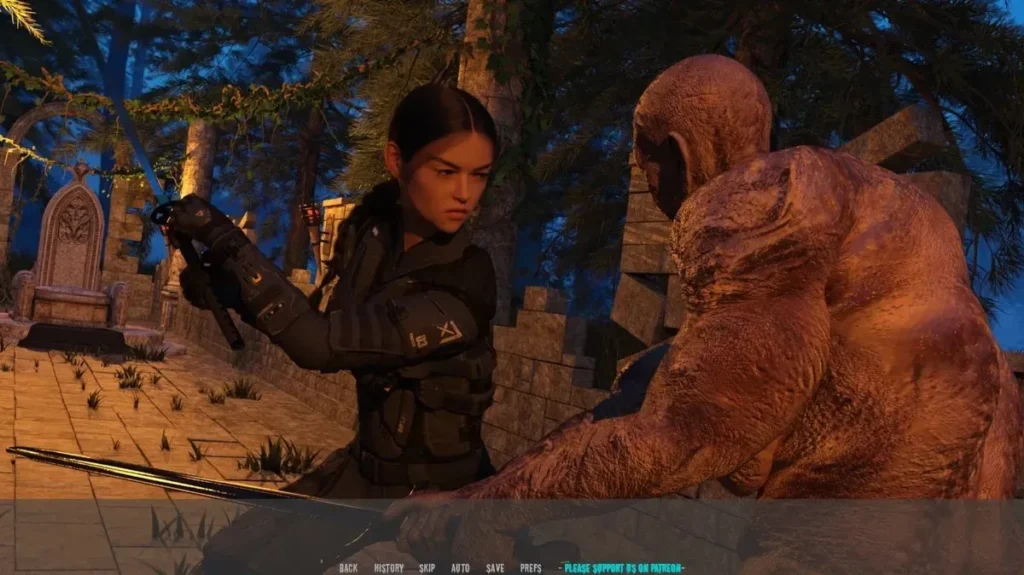
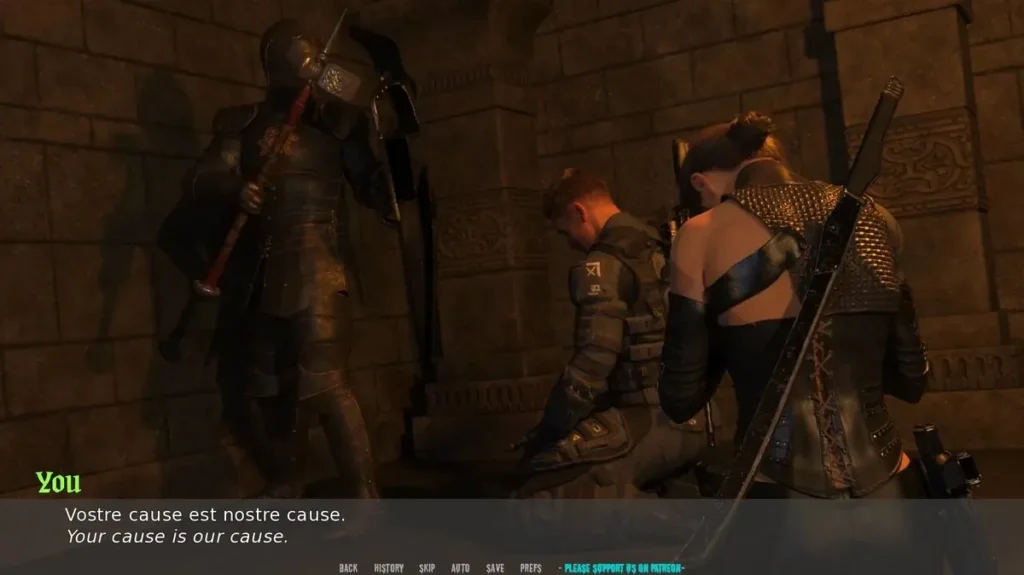
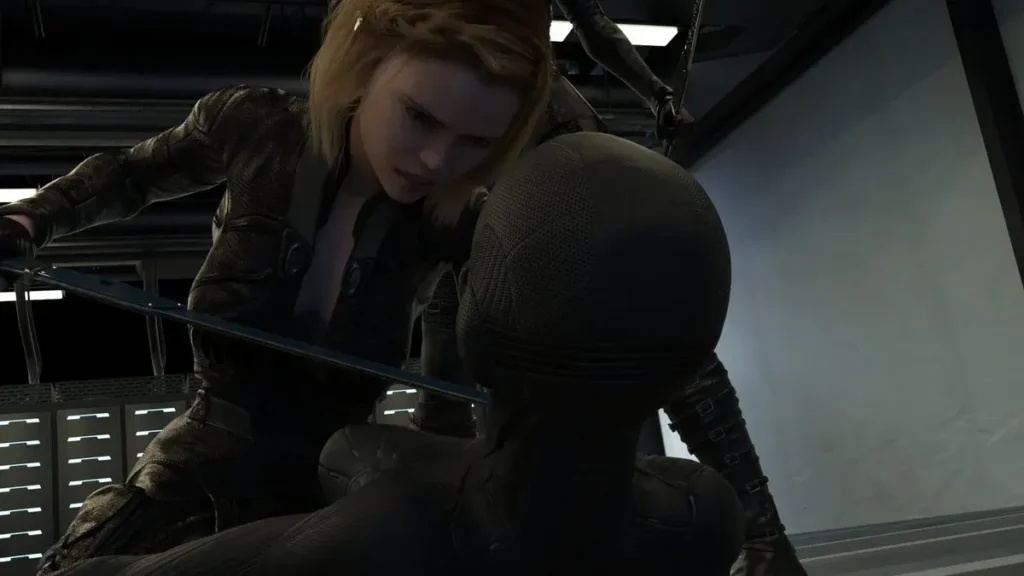
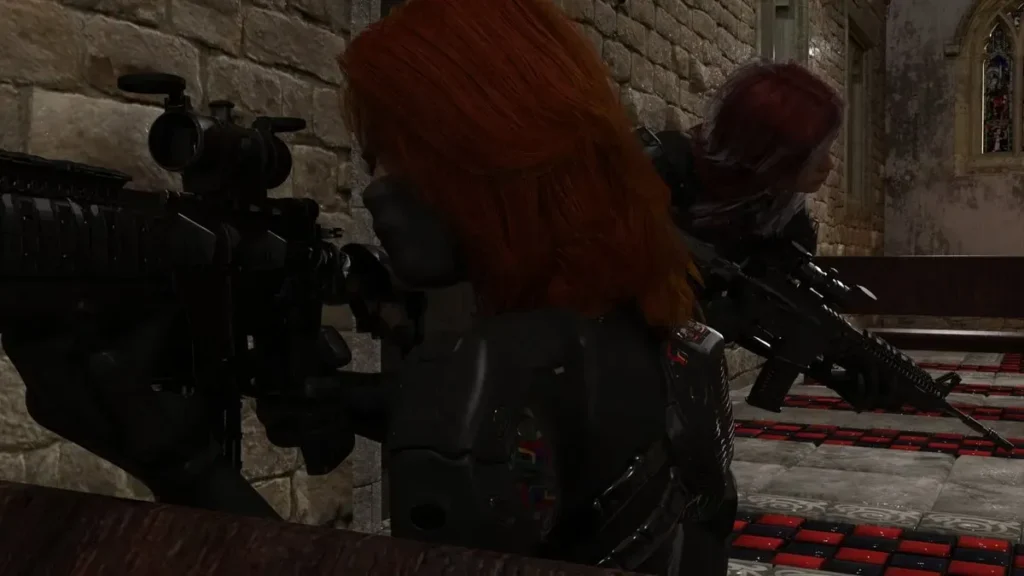
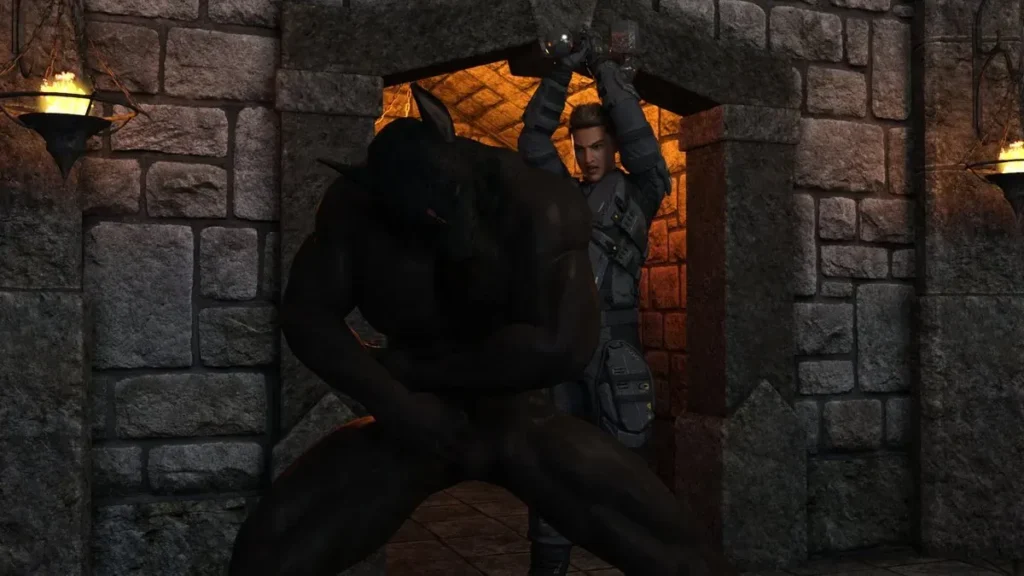
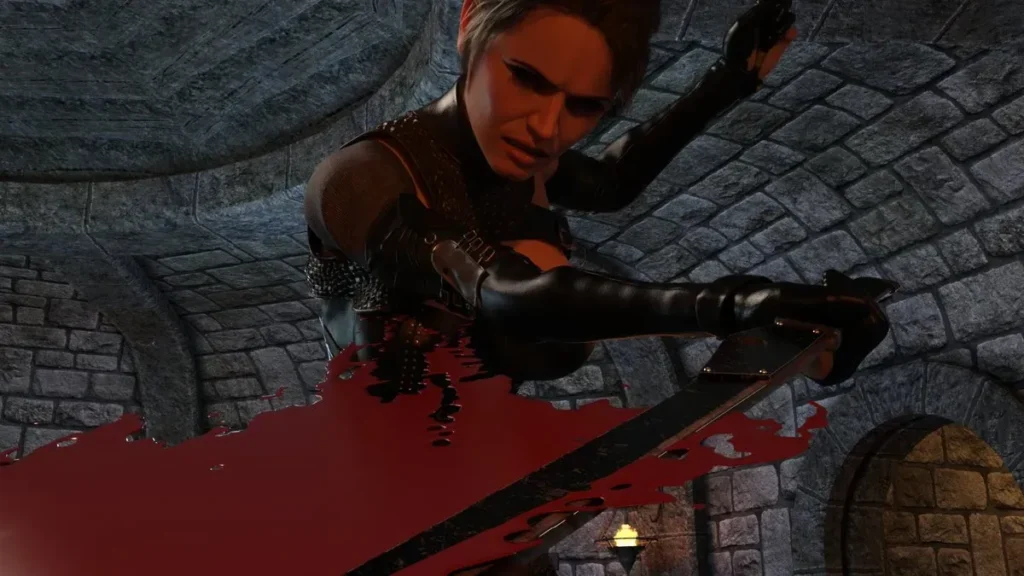
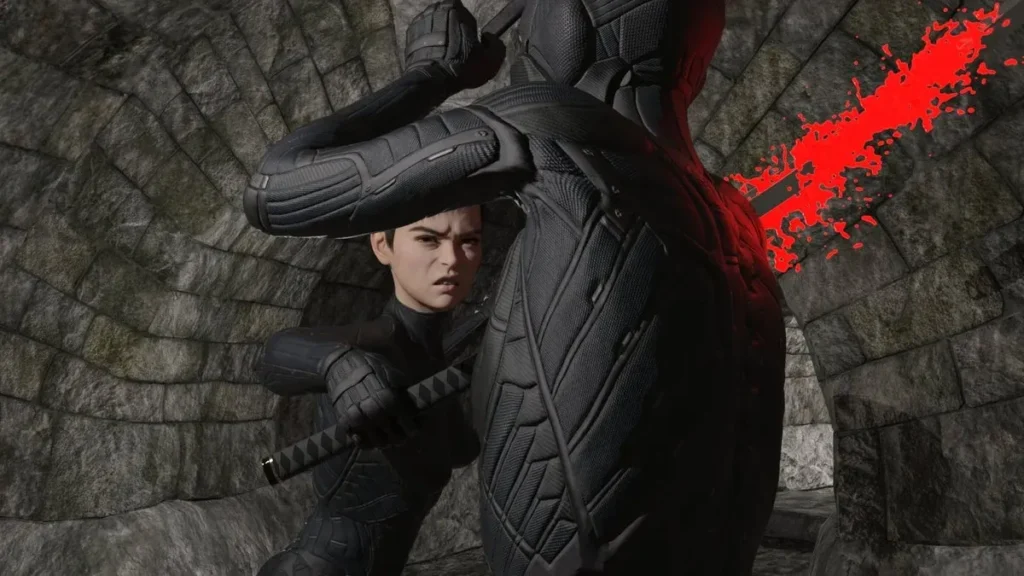
A Father’s Sins review
Explore the dark narrative, gameplay mechanics, and supernatural elements of this adult visual novel
A Father’s Sins stands out as a complex adult visual novel that blends supernatural horror with deep narrative storytelling. This game centers around a protagonist who becomes entangled in a centuries-old church conspiracy after a murder sets off a chain of events involving ancient evil, magical awakening, and a battle between darkness and light. With over 12 hours of gameplay, thousands of still scenes, and hundreds of animations, the title offers far more than typical adult games—it delivers a rich, engaging story that keeps players invested in uncovering its mysteries. Whether you’re drawn to supernatural narratives, character-driven plots, or immersive visual novel experiences, understanding what this game offers will help you decide if it’s worth your time.
Story & Plot: Understanding the Narrative Foundation
Ever stumbled into a story so gripping you forget you’re the one holding the mouse? 😲 That’s the unique magic of A Father’s Sins, a game that proves adult visual novels can be narrative powerhouses first and foremost. This isn’t just a tale you watch; it’s a world you step into, where every choice you make echoes through a city shrouded in supernatural dread and ancient secrets. If you’re here for a story with the depth of a premium streaming series, but with the personal agency only a game can provide, you’ve found it. Let’s pull back the curtain on the rich, dark narrative that forms the beating heart of this experience.
The visual novel narrative in A Father’s Sins is its crown jewel, masterfully weaving personal trauma with cosmic horror. It’s a journey that asks: what would you do if the very institution you trusted was hiding a darkness older than time itself? Buckle up, because we’re diving deep into the plot, the people, and the profound choices that define this unforgettable supernatural plot game.
The Core Premise: Murder, Magic, and Ancient Evil
The story of A Father’s Sins begins not with a bang, but with a chilling discovery. You play as a man drawn back to a place of faith, only to find it desecrated by a brutal murder at an ancient, local church. This isn’t a random act of violence; it’s a ritualistic trigger, a key turning in a lock that’s been sealed for centuries. This single event cracks the world open, leading to the terrifying ancient evil awakening that begins to seep into the city like a poison. The sky changes, reality bends, and a sinister magic blankets everything, threatening to consume all.
In response, you are unexpectedly anointed as a Holy Crusader, a title that sounds grand but feels like a death sentence. You’re not a trained soldier or a seasoned demon hunter—you’re an ordinary person thrust into an extraordinary nightmare. Your mission? To survive, to understand, and to fight back against a tide of darkness that feels utterly overwhelming. This initial hook is brilliantly executed, creating a sense of vulnerability that makes every subsequent discovery and hard-won skill feel earned. The A Father’s Sins story excels at making you feel both powerless and responsible, a combination that fuels relentless engagement.
What follows is a gripping investigation that peels back layers of history and heresy. You’ll soon uncover that the murder was merely a symptom of a far grander and more horrifying scheme. This leads you directly into the game’s central and most compelling mystery: the church conspiracy storyline. You discover that factions within the church have been playing a dangerous game for ages, manipulating faith and forbidden knowledge for purposes that blur the line between salvation and damnation. It’s a conspiracy that recontextualizes everything you think you know about the world and your place in it.
To help visualize the epic scope of this journey, here’s a breakdown of the key narrative progression:
| Story Phase | Key Chapters / Events | Narrative Milestone |
|---|---|---|
| The Catalyst | Discovery at the Church, The Anointing | The murder triggers the ancient evil’s awakening; protagonist is forced into the role of Crusader. |
| Unveiling the Truth | First Supernatural Encounter, Meeting the Order, Deciphering Ancient Texts | The protagonist learns the crisis is magical, connects with the warrior nuns, and uncovers the first clues of the church’s hidden past. |
| Confronting the Conspiracy | Infiltration, Betrayals Revealed, The Schism Within | The depth of the church conspiracy is exposed, forcing alliances and revealing that the enemy may be within. |
| The Descent & Choice | Key Character Crossroads, Major Moral Decisions, Path to the Source | Player choices dramatically diverge the story; relationships are tested; the path to the final confrontation is set. |
| Resolution | Final Confrontation, Aftermath Epilogues | Based on accumulated choices, one of several endings plays out, resolving the fate of the city, the characters, and the protagonist. |
Character Development and Relationship Dynamics
A great plot is nothing without compelling people to navigate it, and this is where the visual novel narrative truly shines. The character relationships visual novel mechanics in A Father’s Sins are not a side activity; they are the engine of the plot. Every ally you meet, from stoic warrior nuns to enigmatic scholars, has their own deep ties to the unfolding crisis and their own scars from the hidden war.
Your connections with these characters are built through meaningful dialogue choices, shared struggles, and moments of vulnerability. I remember one playthrough where I chose to openly share my fears with a certain character early on, rather than projecting false strength. That single decision of honesty unlocked entire subplots and support later in the game that were completely absent in a more guarded run. It taught me that in this world, trust is a currency more valuable than any weapon.
These relationships directly influence your capabilities and the story’s direction. Gaining a character’s trust can provide crucial information, unlock new areas for investigation, or grant you aid in battle. Conversely, alienation or conflict can close doors, create new obstacles, and even turn potential allies into dangerous adversaries. The game masterfully explores themes of redemption, moral decay, and the burden of faith through these interactions. You’ll meet individuals who have sacrificed everything for their beliefs, others who use faith as a shield for their ambitions, and some who are simply lost souls seeking a light in the overwhelming dark.
The brilliance lies in how these character relationships visual novel dynamics feed back into the main A Father’s Sins story. Your romantic or platonic bonds aren’t isolated “scenes”; they are integral chapters in your personal growth and strategic position within the larger conflict. Choosing who to confide in can determine what secrets you learn about the church conspiracy storyline, and ultimately, who stands by your side when the ancient evil makes its final move.
Supernatural Elements and Church Conspiracy
The supernatural threat in A Father’s Sins is far more than just ghosts and jump scares. It’s a pervasive, ancient evil awakening that corrupts the very fabric of reality. We’re talking about twisted dimensions bleeding into our own, mind-bending hallucinations that challenge your perception, and entities that feed on despair and sin. This supernatural plot game uses its horror elements to explore psychological and philosophical terror. The real fear often comes from the realization of what humanity is capable of when confronted with such power, especially those who believe they can control it.
This brings us to the masterful intertwining of the supernatural with the mortal: the church conspiracy storyline. The conspiracy isn’t a simple case of “bad guys in robes.” It’s a tragic, complex history of well-intentioned extremism, forbidden knowledge, and catastrophic mistakes covered up over generations. One faction might believe they are containing the evil, while another seeks to harness it, and a third might wish to utterly destroy it—regardless of the collateral damage. Navigating this labyrinth of dogma and deception is a core challenge. You’ll constantly question who is telling the truth, who is manipulating you, and what the true definition of “holy” is in a world touched by such profound darkness.
Your primary guides—and often, your only reliable allies—in this mess are an ancient order of warrior nuns. These are not caricatures; they are a sisterhood with their own strict codes, internal conflicts, and heavy burdens. Interacting with them reveals a different facet of faith: one of action, sacrifice, and unwavering duty, often contrasted sharply with the political machinations of the larger church. Relying on their ancient wisdom and combat skills becomes essential to your survival, creating a fascinating dynamic where spiritual strength and physical prowess are equally vital.
Ultimately, the power to shape this complex narrative lies in your hands through the game’s acclaimed multiple endings game choices system. This isn’t about a simple “good vs. evil” slider. Your choices are nuanced:
* Moral & Ethical Stances: Do you show mercy to a corrupted soul, or enact ruthless judgment? Do you prioritize saving the city at any cost, or focus on protecting the individuals you’ve grown to care for?
* Strategic Alliances: Which faction within the conspiracy, if any, do you align with? Do you trust the warrior nuns completely, or keep secrets to maintain your own autonomy?
* Relationship Investments: Who do you grow closest to? These bonds don’t just affect romance; they determine whose perspective shapes your crusade and who will fight for you in the end.
These multiple endings game choices create genuine “what-if” scenarios that demand replays. I’ve seen endings where the city is saved but at a terrible, personal cost that left me hollow, and others where a fragile new understanding is forged from the ashes, feeling like a hard-won hope. The game truly honors the weight of your decisions, ensuring that your version of the A Father’s Sins story feels uniquely and personally yours.
In conclusion, A Father’s Sins stands as a testament to the narrative potential of its genre. It balances a supernatural plot game of epic scale with intimate, gut-wrenching character drama, all framed by a chilling church conspiracy storyline. It proves that adult content can serve a mature narrative about trauma, faith, and choice, rather than detract from it. This is a world that lingers with you, a story whose choices you’ll ponder long after the screen fades to black. So, step into the shrouded city, embrace the mantle of the Crusader, and write your own chapter in this dark, unforgettable saga. Your decisions await, and the ancient evil is stirring. 😈✨
A Father’s Sins represents a significant achievement in adult visual novel gaming, proving that mature games can deliver compelling narratives without sacrificing depth for explicit content. The game’s combination of supernatural storytelling, complex character relationships, and meaningful player choices creates an experience that appeals beyond typical adult game audiences. With over 12 hours of gameplay, hundreds of animations, and thousands of scenes, the title offers substantial content that continues to expand through regular updates. Whether you’re drawn to supernatural narratives, character-driven plots, or immersive interactive stories, A Father’s Sins delivers a rich experience that rewards engagement with its world. For players seeking a game that prioritizes storytelling and atmosphere alongside adult elements, this title stands out as a must-play in the visual novel genre.